About us
Why Microplastics?
Microplastics are not an isolated waste problem, but rather an expression of a systemic failure in material design. Many plastics are durable, functional, and cost-effective—but they are not designed for their entire service life and end-of-life. Abrasion, fragmentation, and uncontrolled release mean that microplastics remain permanently in the environment and organisms.
A sustainable solution therefore requires more than retrospective filtering: it demands a fundamental rethink in material development, production processes, and the assessment of environmental impacts.
Mission and Vision
The center's mission is to prevent microplastics in a scientifically sound, measurable, and effective manner. Our vision is a materials economy in which polymers are designed to fulfill their function without causing long-term ecological damage.
We understand microplastic avoidance as a combination of prevention, substitution, assessment, and implementation:
- Prevention through the design of degradable and abrasion-minimized materials
- Substitution of fossil-based plastics with bio-based alternatives
- Assessment through standardized analytics and life cycle approaches
- Implementation through transfer to industry, municipalities, and regulation
Structure and Embedding
The center is organized as an interdisciplinary platform. It brings together university research, non-university institutes, and partners from industry and the public sector. A scientific advisory board guides the strategic direction and ensures international connectivity.
Foundation
The center was founded in 2026 with a financial donation from a private estate.
Management
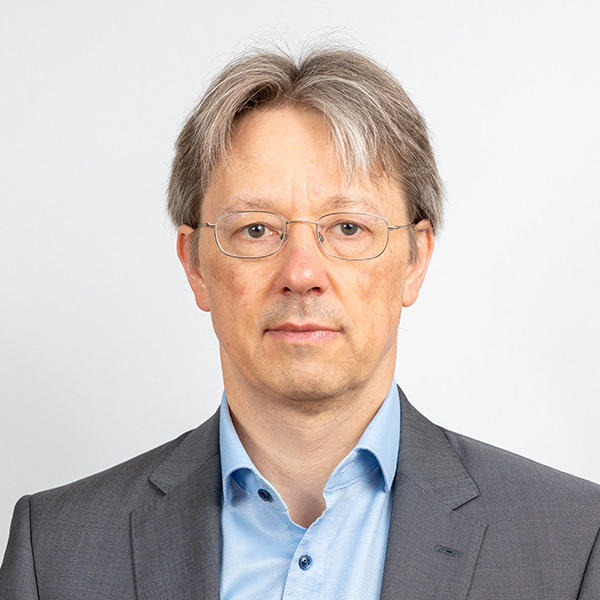
Prof. Cordt Zollfrank and Prof. Volker Sieber will initially head the center. Both have many years of experience working together in the development of biodegradable and bio-based materials.