To enable the structural change towards a bioeconomy and more sustainable economic systems, it is essential to accompany the transformation processes from an economic and social perspective. This is achieved through basic and application orientated research in core subjects of management, economics, and sustainability sciences.
Research Groups
Project Highlights
The chair of Circular Economy and Sustainability Assessment (Prof. Fröhling) and the professorship Marketing and Management of Biogenic Resources (Prof. Menrad) are developing together with C.A.R.M.E.N. e.V. and regional wood construction companies three special living concepts. When reaching retirement age, living space needs to meet the same requirements as living space used by young families: it needs to be affordable and comfortable, for example, or offer a healthy indoor climate. Behind these criteria stand the aspects of ecology, economy, and social justice. The project examines the question of how these points can be integrated in actual living concepts.
In Germany, every year close to twelve million tons of food end up as waste. The challenge of the food trade is to meet customers’ needs for fresh and available products, and at the same time reduce overstock. Therefore, Prof. Hübner and his team research how to avoid food waste in trade through intelligent planning and logistics concepts combined with high customer satisfaction. They identify relevant influencing factors in business processes and use these to optimize current calculation methods and, thus, address profitability and resource protection equally.
Current Research Projects

SOLARSPOON develops pioneering Solar-to-Food technology by integrating photosynthetic and food-producing bacteria into self-contained devices that convert sunlight, air, and water directly into protein- and lipid-rich food materials. Cyanobacteria capture solar energy and provide electrons, which are boosted by organic dyes to power autotrophic microbes that produce nutritious biomolecules. The work focuses on improving electron transfer at the cell–electrode interface, creating microbial consortia capable of producing both proteins and lipids, and designing integrated devices that balance biological and electrochemical needs while enabling straightforward collection of food products. The ultimate aim is to demonstrate the first solar-powered system with 1% solar-to-food efficiency, opening new possibilities for sustainable food production in off-grid settings, future households, and even space missions.
Project duration
2025-11-01 – 2028-10-31
Involved Personnel
Project Executive
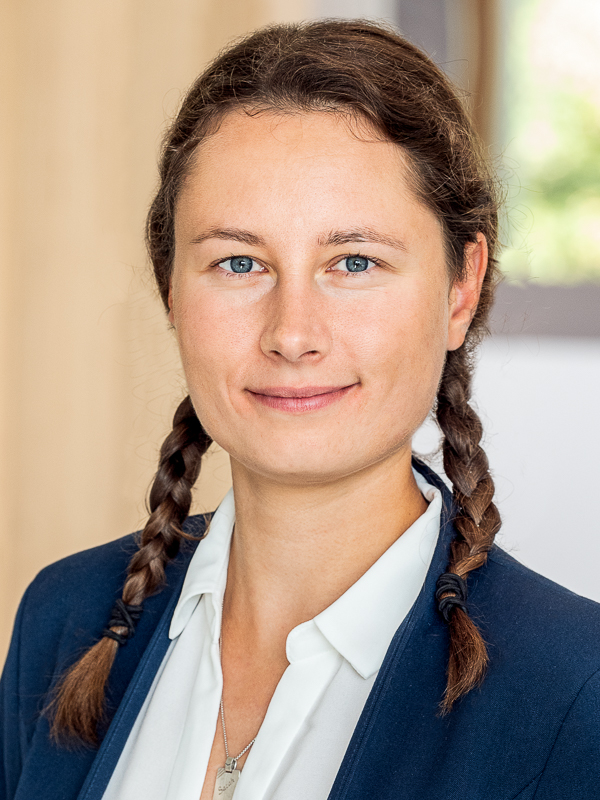
Sarah Haßlacher, M.Sc.
Chair of Circular Economy and Sustainability Assessment
- Doctoral Candidate
- Research Associate
- Phone:
- +49 9421 187-206
- Email:
- sarah.hasslacher@tum.de
Project Partner
Funding
EIC - HORIZON‑EIC‑2024‑PATHFINDERCHALLENGES‑01‑01 – Solar-to-X devices
Social Farming represents an additional branch of business in the context of diversification of agricultural enterprises and at the same time contributes to the strengthening of the social sector in rural areas. Examples include on-farm kindergartens, elderly care and inclusive workplaces. The objectives of the project can be divided into two areas. On the one hand, the aim is to strengthen the social farming sector in Bavaria. Secondly, innovative approaches to improving social structures in rural areas are being developed.
The following specific project objectives are central to the implementation of this project:
Investigation of the level of knowledge and interest of Bavarian farmers in Social Farming and in corresponding concepts for different target groups
Demand analysis for Social Farming from the perspective of potential user groups
Systematic establishment and evaluation of interdepartmental, regional networks to support the implementation of Social Farming offers (real world laboratories)
Further development of practice-oriented information materials and concepts (e.g. tools for determining profitability, documents for cooperation with potential cooperation partners)
Development of recommendations for action for politicians, associations and other relevant stakeholders to promote the awareness and dissemination of social farming
Project management: Prof. Klaus Menrad
Project coordination: Dr. Thomas Decker
Project management: Guido Cremerius, M.A.; Dr. Thomas Decker
Project duration
2025-04-01 – 2028-03-31
Involved Personnel
Project Head
Project Coordination
Project Executive
Guido Cremerius, M.A.
Professorship Marketing and Management of Biogenic Resources
- Doctoral Candidate
- Research Assistant
- Phone:
- +49 9421 187-207
- Email:
- guido.cremerius@hswt.de
Project Partner
Funding
Funding program: Funding of agricultural research by the Bavarian State Ministry of Food, Agriculture, Forestry and Tourism
Funding body: Bavarian State Ministry of Food, Agriculture, Forestry and Tourism
Funding body: Bavarian State Ministry of Food, Agriculture, Forestry and Tourism
- Funding ID
- A/24/17
The transition from a fossil-based economy to an environmentally sustainable one suggests an increased use of wood as a reliable renewable resource. However, for efficient practice and long-term carbon sequestration it is essential to use wood in a circular way. In 2018, only 20 percent of the 1.59 million tons of Bavarian mature timber – with the majority of which falls into categories A I (not contaminated) and A II (only slightly contaminated) – was used for material purposes, while 80 percent was used for energy production. There is a similar gap between material and energy use of mature timber in Germany in general. In this respect, it is crucial to work towards a life- cycle oriented paradigm shift in the use of mature timber in order to exploit the substitution and carbon storage potentials more comprehensively. In order to create cascading value chains, life-cycle oriented innovations ranging from logistics and processing concepts to material utilization paths for mature timber must be developed in cooperation with key actors.
Therefore, the aim of the project is to develop an innovative concept for the use of mature timber in an open-ended innovation approach and to validate it in real laboratories in Bavaria. The results will lead to a roadmap of transformation, showing optimization potentials and concrete ways to implement the concept in practice. It will also help to transfer the opportunities to other regions. In addition to modelling the future supply of matured timber wood and optimizing the matured timber wood value chain, the project aims to:
(1) Conditions for dimensionally stable use of mature timber
(2) Use of mature timber in bio-refineries
(3) Use of mature timber as a substrate for fungal mycelium-based materials
(4) Development of circular economy business models
(5) Environmental assessment of innovation paths
(6) Consumer acceptance of innovation paths
Head of Project: Prof. Dr. Klaus Menrad
Project Coordinator: Dr. Thomas Decker
Project Advisors: Jonas Krauß, M.A.; Dr. Thomas Decker
The project is funded by the Federal Ministry of Research, Technology and Space and runs from 01.01.2023 to 31.12.2027.
Besides the University of Applied Sciences Weihenstephan-Triesdorf, the project partners are Cluster-Initiative Forst und Holz in Bayern gGmbH (Project coordinator), Technical University of Munich, Technical University of Rosenheim, Bavarian State Institute for Forestry, Franz Obermeier GmbH and Landpack GmbH. Aditionally, Pfleiderer Deutschland GmbH, Durmin Entsorgung und Logistik GmbH, Siempelkamp Maschinen- und Anlagenbau and UPM Biochemicals GmbH are acting as associated partners. Furthermore, the knowledge transfer partners in the project are Chemiecluster Bayern GmbH, Cluster neue Werkstoffe and Umweltcluster Bayern.
Project duration
2023-01-01 – 2027-12-31
Involved Personnel
Project Coordination
Project Executives
Jonas Krauß, M.A.
Professorship Marketing and Management of Biogenic Resources
- Doctoral Candidate
- Research Assistant
- Phone:
- +49 9421 187-210
- Email:
- jonas.krauss@hswt.de
Project Partner
Funding
The project is supported and funded by Bundesministerium für Bildung und Forschung (BMBF), German Federal Ministry of Education and Research, within the policy "REGULUS – Regionale Innovationsgruppen für eine klimaschützende Wald- und Holzwirtschaft" under the funding code 033L303A.
- Funding ID
- 033L303A
Work package (WP) 2 – Consumers’ acceptance
The ProxIMed project aims to introduce proteins from sustainable sources into the Mediterranean food and feed systems to promote and establish the use of alternative proteins. Traditional alt-protein sources of plant origin (lentil, faba bean and chia seeds); “Novel food” protein sources (micro-algae, insects, mycoprotein, tomato and mallow leaves, duckweed) and agro‐industrial by-products (tomato pomace, sesame cake, date cake) are selected for this purpose. Innovative and green processing technologies aiming for minimal impact on nutrients will be used to produce the selected proteins. The alternative proteins will then be implemented into more than 20 final products (protein powder concentrates as ingredients, capsules to be used as supplements and several protein-enriched food and feed products) and introduced to the Mediterranean consumers in different regions (Middle East, Northern Africa and Europe).
WP2 implies activities related to consumer aspects and testing of new marketing and business strategies for novel alternative protein food products. In this WP, consumers’ general interests in three Mediterranean countries (Turkey, Tunisia, Portugal) will be analysed related to the different food products (fermented vegetable pickles and tahini-traditional products for Middle East- Med countries; snack products, sports nutrition food products and protein powder) and raw material sources for alt-proteins (tomato pomace, sesame cake, date by product, insects, mycoprotein).
This project is part of the PRIMA programme supported by the European Union and runs from 01.04.2023 to 31.07.2027.
Project team WP2: Prof. Dr. Klaus Menrad (lead), Dr. Agnes Emberger-Klein, Tura Kaso Hamo, M.Sc.
Coordinator ProxIMed: Prof. Dr. Özlem Özmutlu Karslioglu (HSWT)
Additional images


Project duration
2023-04-01 – 2027-07-31
Involved Personnel
Project Coordination
Project Executive
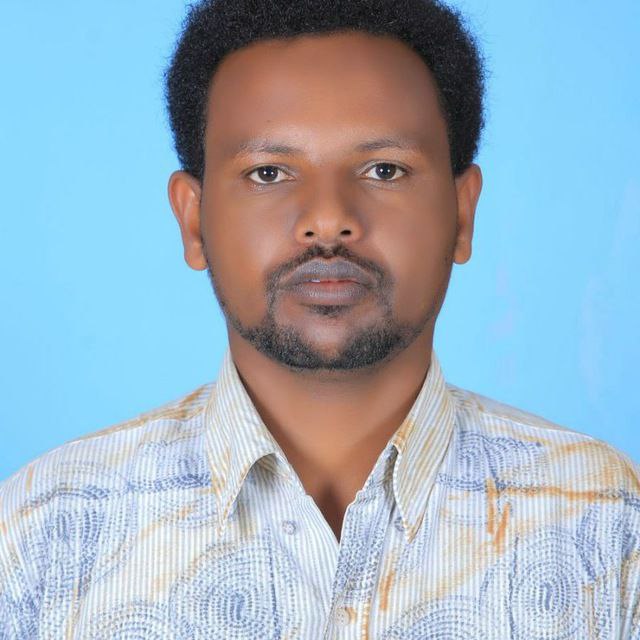
Tura Kaso Hamo, M.Sc.
Professorship Marketing and Management of Biogenic Resources
- Doctoral Candidate
- Research Assistant
- Phone:
- +49 9421 187-214
- Email:
- tura.hamo@hswt.de
Climate-friendly drives in agriculture can contribute to reducing greenhouse gases in crop production and thus achieve the climate protection goals of the agricultural sector. The overarching goal of the "TrAkzeptanz" project is to strengthen the acceptance of climate-friendly drives in agriculture, using the example of tractors, and to promote their increased use. Through various steps (current state analysis, analysis of opportunities and risks, investigation of acceptance and purchase motives, theoretical scenarios, and practical case studies), incentive mechanisms are developed to advance the transition to climate-friendly drives in agricultural crop production. These incentive mechanisms and the corresponding project results are communicated through appropriate formats to farmers, agricultural machinery dealers, industry, political and press representatives, and the general public.
Firstly, the development status of alternative drives for agricultural machinery and the regulatory framework conditions will be demonstrated through literature research and expert interviews. Building on this, surveys of stakeholders along the value chain will identify barriers and motivations for switching to climate-friendly drive technologies. Subsequently, scenarios will be created to illustrate the potential market penetration of renewable drive systems in agriculture up to the complete replacement of fossil diesel fuel. For these scenarios, the effects at the national level, particularly regarding GHG savings, GHG reduction costs, and the required energy and raw material demand, will be determined. If fossil diesel fuel were entirely replaced by sustainable climate-friendly drive energies, about 5 million tonnes of greenhouse gases ("tank-to-wheel") could be saved annually in Germany. Additionally, the effects of switching to climate-friendly drives will be examined at the operational level through case studies. Here, real agricultural enterprises will be modelled to transition to a mix of suitable drive technologies. The resulting economic and ecological impacts will be evaluated in comparison to the status quo. Finally, based on the preceding investigation steps and considering national and operational effects, incentive mechanisms will be developed to help drive the transition to climate-friendly drives in agriculture. The results of the project will be enriched and validated through the participation of various stakeholders in workshops and discussion rounds and then communicated in appropriate formats to farmers, agricultural machinery dealers, industry, politics, and the general public.
Specifically, the project aims to answer the following questions using the results:
What is the current state of technology for alternative drives for tractors, and where is the development heading?
What regulatory framework governs the development, marketing, and use of tractors with climate-friendly drives, as well as the provision of renewable drive energies?
What opportunities and risks for successful market penetration of alternative tractor drives are seen by different stakeholders?
How high is the acceptance of tractors with alternative drives among farmers?
What incentive mechanisms need to be created to increase the market penetration of tractors with alternative drives?
What contribution can agricultural enterprises make to achieving climate protection goals by using tractors with climate-friendly drives?
The questions are addressed by staff from the Chair of Marketing and Management of Renewable Resources at the Technology and Support Centre and the German Bioenergy Association. Thus, the project consortium consists of experts from various disciplines with extensive expertise in the proposed subject area, ensuring the successful implementation of the project.
Funded by the Federal Ministry of Food and Agriculture on the basis of a of the German Bundestag as part of the BMEL research and innovation programme Innovation Programme “Climate Protection in Agriculture”. The duration is from 01/04/2024 until 31/03/2027.
Project management: Prof. Klaus Menrad
Project coordination: Dr. Thomas Decker
Project management: Johannes Buchner, M.Sc.; Dr. Thomas Decker
Project duration
2024-04-01 – 2027-03-31
Involved Personnel
Project Coordination
Project Executives
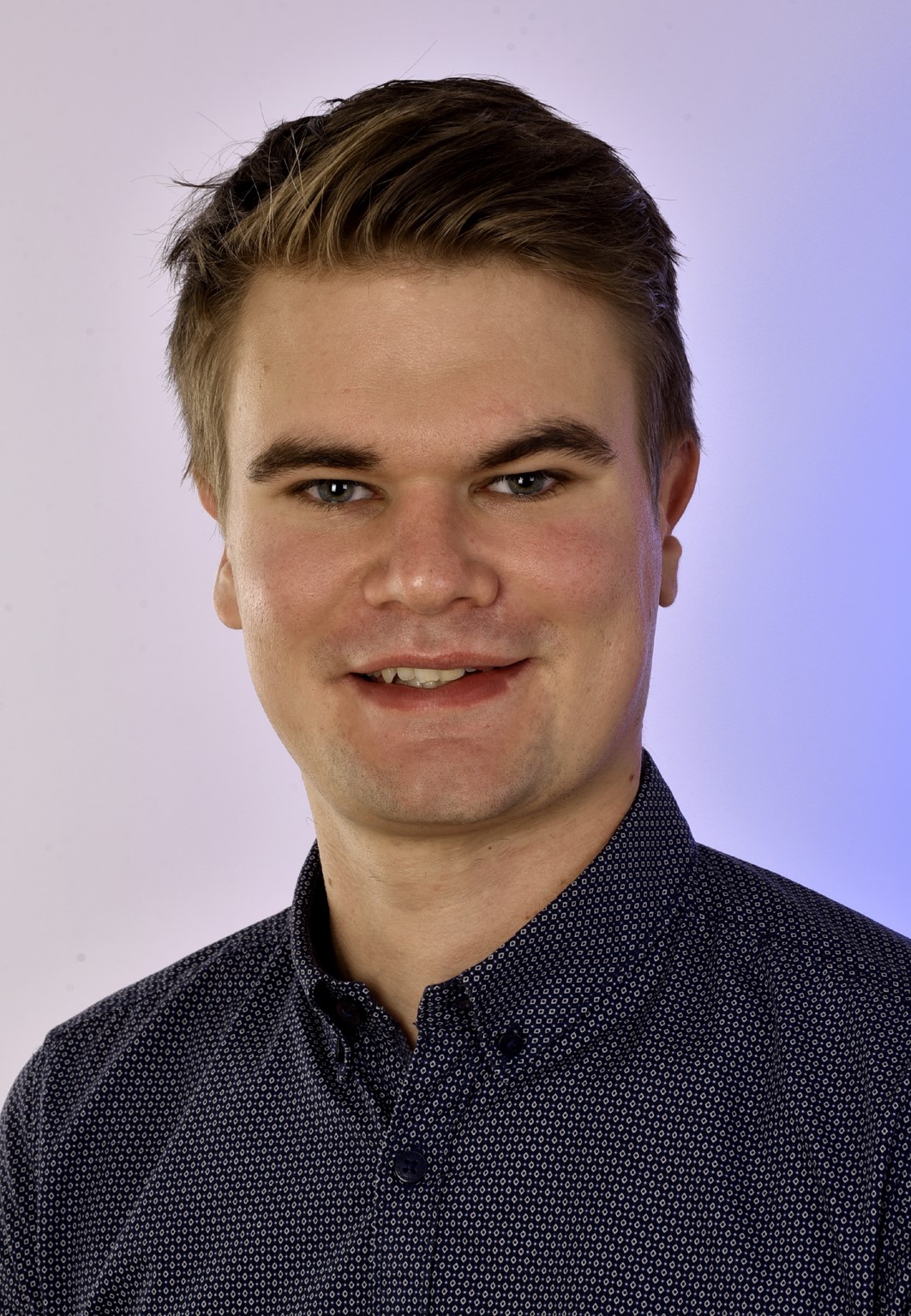
Johannes Buchner, M.Sc.
Professorship Marketing and Management of Biogenic Resources
- Doctoral Candidate
- Research Assistant
- Phone:
- +49 9421 187-203
- Email:
- johannes.buchner@hswt.de
Against the background of high environmental pollution and a high energy input in the construction industry, innovative products for interior finishing are to be developed and their acceptance investigated. By adding plant fibres and foams, the weight of clay building boards is to be reduced and lighter, natural fibre-reinforced clay building boards are to be developed. The requirements of craftsmen and consumers for such boards will also be analysed. Specific project objectives are:
- Investigating the feasibility of natural fibre-reinforced clay foams made from renewable raw materials to reduce the weight of clay building board.
- Development of lighter, natural fibre-reinforced clay building boards on this basis
- Analysing the interest of builders and craftsmen in such clay building boards
- Creation of information material for the building materials trade and craftsmen on earth building boards and lighter earth building boards based on plant fibre-reinforced foams
Project duration
2024-01-01 – 2026-12-31
Involved Personnel
Project Executives
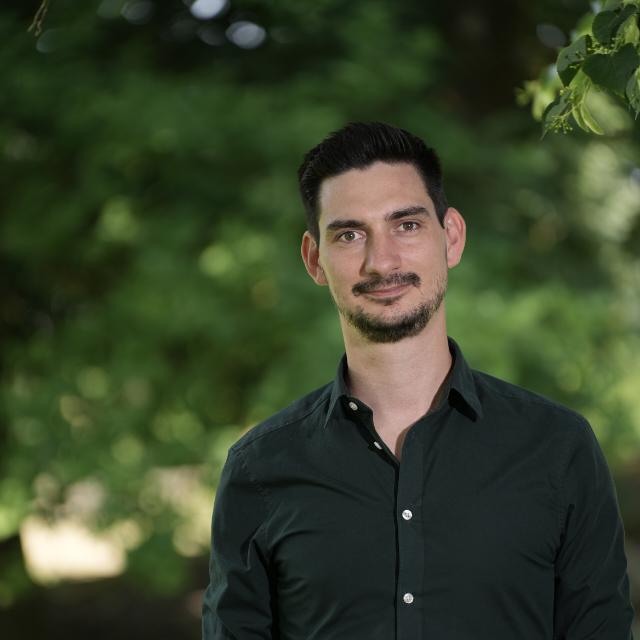
Sebastian Gründig, M.A.
Professorship Marketing and Management of Biogenic Resources
- Doctoral Candidate
- Research Assistant
- Phone:
- +49 9421 187-223
- Email:
- sebastian.gruendig@hswt.de
Funding
The project is funded by the Bayerisches Staatsministerium für Ernährung, Landwirtschaft und Forsten and also involves companies from agricultural and construction sectors.
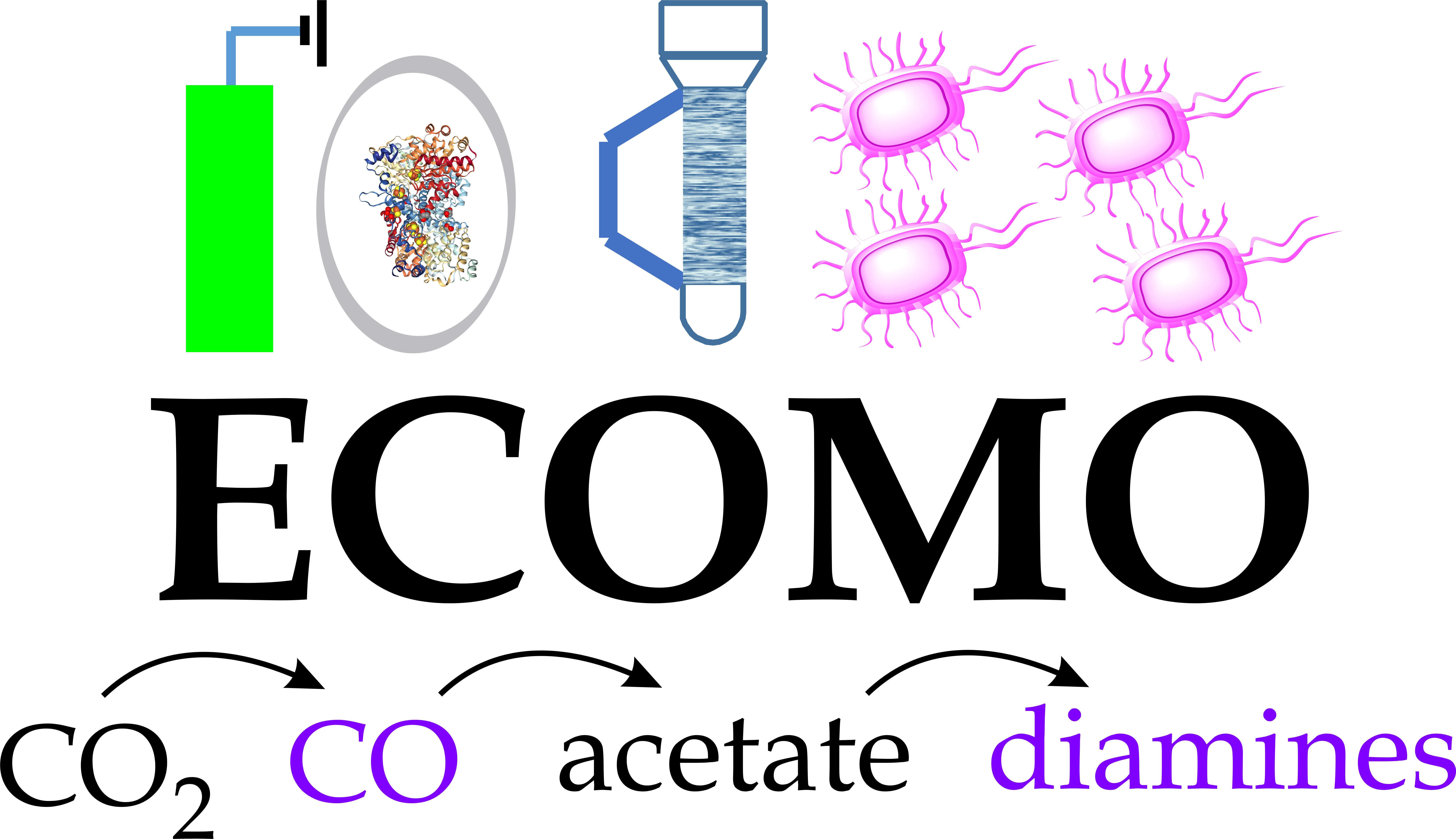
ECOMO pioneers a revolutionary approach, harnessing renewable energy, greenhouse gases like CO2 and nitrates from wastewater, to create valuable building blocks for a range of materials. Through innovative electrobiocatalytic processes and cascade fermentation, ECOMO produces high-quality diamine monomers, essential for making various polymeric materials. It combines electrochemical and biocatalytical processes in an unique way. Additionally, this porjects promotes scalability and the potential to replace unsustainable synthesis methods driven by the global need of existing and growing markets. By utilizing readily available resources like CO2 and recycled nitrates, ECOMO offers a greener alternative to traditional petrochemical processes.
Project duration
2023-11-01 – 2026-10-31
Involved Personnel
Project Executive
Sarah Haßlacher, M.Sc.
Chair of Circular Economy and Sustainability Assessment
- Doctoral Candidate
- Research Associate
- Phone:
- +49 9421 187-206
- Email:
- sarah.hasslacher@tum.de
Project Partner
Funding
EIC - HORIZON‑EIC‑2022‑PATHFINDERCHALLENGES‑01‑01 – Carbon dioxide and nitrogen management and valorisation

Traditional circular economy research has focussed, to a large extent, on new materials to underpin circularity, or methods to promote efficient material flows. Important, but often overlooked, is the aspect of behavioural change. Service based models, in which goods are never owned by consumers, have the potential to transform society for the good of everyone. In this context, distributed ledger technologies (DLTs) such as blockchain have received increasing attention as a potential catalyst for the transition to sustainability. DLTs can facilitate new business models and a new era of transparency, generating economies of trust, thereby potentially transforming prevailing economic and institutional systems. The project will focus on the role DLTs can play in facilitating this transformation, especially regarding the aspects of transparency in the value cycles and new circular business models around servitisation and the sharing economy.
New research tools will be developed to analyse and assess interventions, especially policy measures and digital technologies regarding their multi-dimensional performances from a full life cycle thinking perspective. A system dynamics (SD) model will be developed to help understand how servitisation and access systems, from the micro to macro level of intervention to consumer behaviours, react to the deployment of these technologies in the shift towards circularity, and further investigate the role of DLTs in the process. A multi-scale life cycle sustainability assessment framework to assess the impacts of DLTs, transparency and servitisation will be developed and coupled to the SD model, yielding a new consequential multi-scale life cycle sustainability assessment tool that can support policy development and be used to both guiding and evaluating interventions enabled by DLTs.
Project duration
2022-10-01 – 2026-09-30
Involved Personnel
Project Executive
Lyu Zhang, M.Sc.
Chair of Circular Economy and Sustainability Assessment
- Doctoral Candidate
- Research Associate
- Phone:
- +49 9421 187-192
- Email:
- lyu.zhang@tum.de
Project Partner
Funding
Technical University of Munich
The ‘NWG peat substitute’ project is investigating the use of regional residues and renewable raw materials as peat substitutes in potting soils and growing media. The aim is to reduce the use of peat in horticulture and replace it with more environmentally friendly alternatives. Using an interdisciplinary approach, the ecological, economic and social aspects of these new substrate materials are being comprehensively assessed.
The project is being carried out in close co-operation between several research institutions. It is coordinated by the Weihenstephan-Triesdorf University of Applied Sciences (HSWT) in Freising, which is represented by the Institute of Horticulture (IGB). The Rosenheim University of Applied Sciences (THRO) and the TUM Campus Straubing for Biotechnology and Sustainability (MNR-TUMCS) are involved as co-operation partners. The project comprises several specific subtasks that are coordinated by the participating institutions:
- Subtask A (HSWT): Evaluation of new peat substitutes and development of methods for quality assessment and peat quantification.
- Subtask B (THRO): Processing of regional residuals and renewable materials for use as a peat substitute
- Subtask C (MNR-TUMCS): Sustainability assessment of peat substitutes, including the life cycle impact assessment, economic and the social sustainability
The Weihenstephan-Triesdorf University of Applied Sciences is responsible for the overall project management as well as the qualitative analyses of the peat substitutes and will also carry out the plant cultivation trials. These trials are focused on testing the suitability of the new substrates for use in horticulture, with both laboratory and practical experiments being carried out. The Technical University Rosenheim is responsible for the processing of regional residuals and renewable raw materials. This includes the procurement, processing and optimisation of the materials to ensure their suitability as substrate feedstock.
The TUM Campus Straubing is dedicated to the comprehensive sustainability assessment of the new peat substitutes. As part of the sustainability assessment (subtask C), the environmental impacts of the new peat substitutes are systematically analysed along the entire value chain. The focus of this investigation is on recording and analysing basic production and processing data. Life cycle assessments will be used to identify both the ecological benefits and potential ecological impacts of the new substrates in order to enable a well-founded assessment of their sustainability.
In addition, measures to introduce these new peat substitutes into horticultural practice are to be implemented as part of the project. This also includes adapting cultivation methods for users and producers in order to support the switch to peat-free growing media.
The long-term objective of the project is to increase the use of peat substituents significant in growing media, in order to reduce the ecological impact of horticultural products. Interdisciplinary cooperation and systematic evaluation are also intended to expand scientific expertise in this area and lay the foundations for future sustainable developments.
The project is funded by the Federal Ministry of Food and Agriculture and runs from 01.07.2023 - 30.06.2026.
Head of project: Dr. Dieter Lohr
Head of sub-project: Prof. Dr. Klaus Menrad
Project Coordinator: Dr. Dieter Lohr
Project Advisors: M. Sc. Michael Mußer, IGB (subtask A), M. Sc. Alisa Kehr, THRO (subtask B), M. Sc. Phillip Olak, MNR (subtask C)
Additional images
Project duration
2023-07-01 – 2026-06-30
Involved Personnel
Project Coordination
Project Executives
Phillip Olak, M.Sc.
Professorship Marketing and Management of Biogenic Resources
- Doctoral Candidate
- Research Assistant
- Email:
- phillip.olak@hswt.de
TUM Campus Straubing
Am Essigberg 3
94315 Straubing
To achieve the climate targets, the building stock must also become climate-neutral. This requires ambitious energy standards for new buildings and a significant increase in energy-efficient refurbishment of existing buildings. The materials used are also of crucial importance. Bio-based insulating materials are an important building material in this respect. Through their increased use, the energy standard of buildings can be improved and a contribution to the implementation of the goals of the Bavarian Climate Protection Program 2050 can be achieved. At the same time, a reduction in the consumption of fossil raw materials, a contribution to environmental protection and resource conservation as well as to healthy living can also be achieved.
However, conventional insulating materials have been the main choice for insulating buildings in Germany to date, while bio-based insulating materials still play a minor role. In addition, the market share of bio-based insulating materials has hardly increased in Germany, although they are on a par with conventional insulating materials in terms of technical properties, have ecological advantages and contribute to healthy living. Despite the higher costs in some cases, however, some consumer studies in Germany show positive attitudes toward these insulating materials among private individuals and a basic willingness to use them. In contrast, research suggests that the low market penetration is partly due to the lack of willingness of various other players in the construction industry to install bio-based insulating materials, or their insufficient level of knowledge about it.
One possibility to bring bio-based insulating materials further into the market is their financial support. Since the use of bio-based insulating materials is currently not promoted at the federal and state level, municipalities can provide special incentives. This possibility is also used by various municipalities in Germany, e.g. to better achieve their own climate targets.
Against this background, the aim of the BioDämm project is to investigate the status quo of the use of bio-based insulating materials in private residential buildings in Bavaria. The project addresses different economic and social actors, namely private homeowners and builders, actors in the construction industry as well as the role of municipalities. Specifically, the project results will be used to answer the following questions:
(1) To what extent are bio-based insulating materials used in residential buildings in Bavaria so far and specifically in municipalities with municipal support for bio-based insulating materials?
(2) What is the current interest and acceptance of bio-based insulating materials among private homeowners, builders and relevant actors in the construction industry in regions with and without municipal funding in Bavaria?
(3) Which factors inhibit and promote an increased use of bio-based insulating materials in residential buildings in Bavaria?
(4) Can municipal incentive programs increase the use of bio-based insulating materials in private residential buildings, and how must the programs be designed to lead to increased use of these materials?
The project is funded by the Bavarian State Ministry of Food, Agriculture and Forestry and runs from 01.01.20223 to 31.12.2025.
Head of Project: Prof. Dr. Klaus Menrad
Project coordination: Dr. Agnes Emberger-Klein
Project Advisors: Dipl. Ing. Isabella Limbrunner, Dr. Agnes Emberger-Klein
Project duration
2023-01-01 – 2026-04-30
Involved Personnel
Project Coordination
Project Executives
Dipl.-Ing. Isabella Limbrunner
Professorship Marketing and Management of Biogenic Resources
- Doctoral Candidate
- Research Assistant
- Phone:
- +49 9421 187-213
- Email:
- isabella.limbrunner@hswt.de